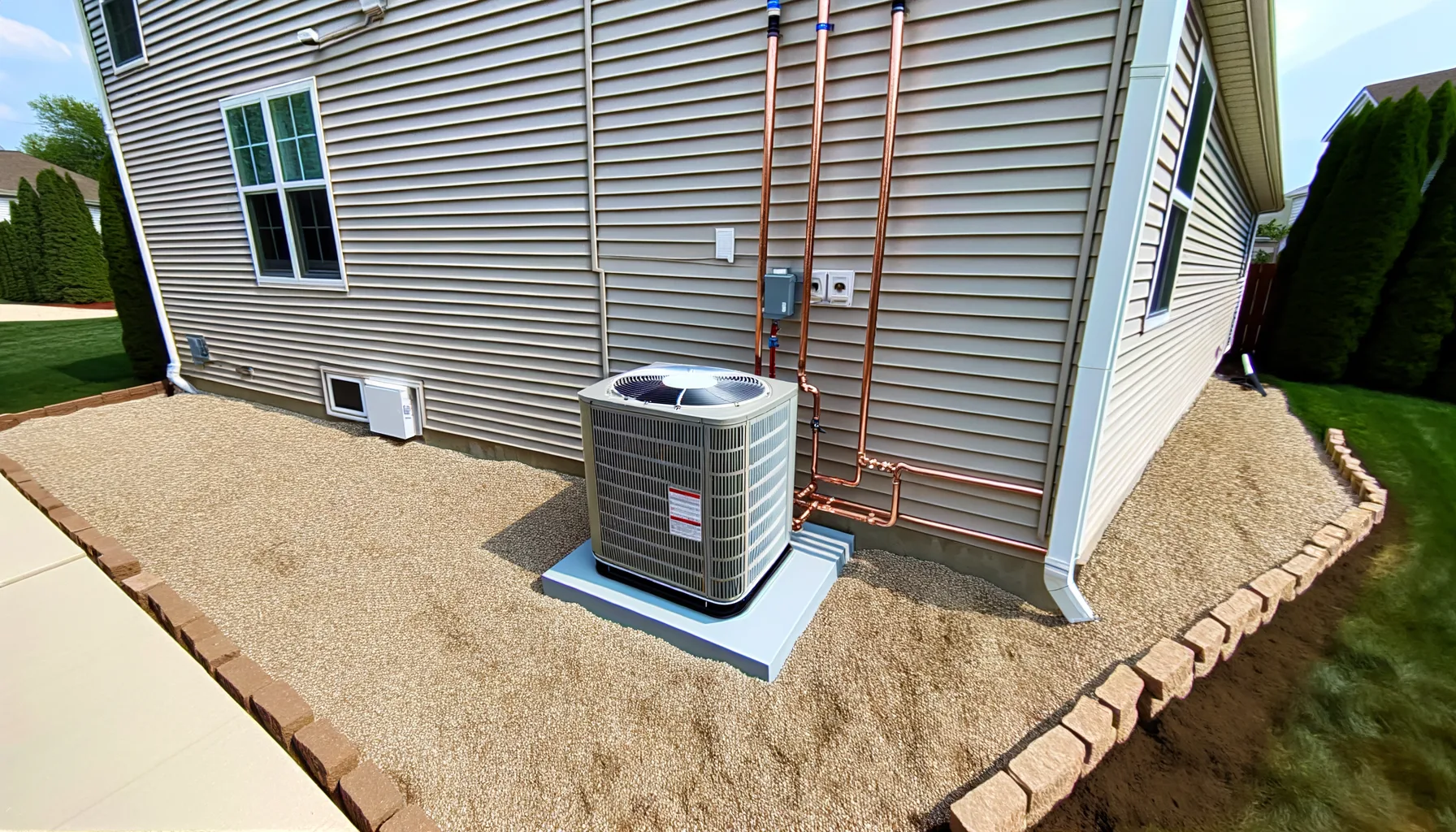
Common HVAC Problems in Aurora Homes and How to Fix Them
Published: 2026-04-13 · By SuperPros Heating and Cooling
If you're a homeowner in Aurora, you know that the weather here can be unpredictable, with rapid temperature swings and the occasional hailstorm disrupting your life. It’s not just the changing seasons that can bring about HVAC troubles; the specific climatic conditions and the soil composition in our area also pose unique challenges. For example, as spring brings heavy snowmelt, it can create issues that not only affect indoor comfort but also compromise your system’s efficiency. Understanding common HVAC problems in Aurora and how to address them is key to maintaining a comfortable home year-round.
Why This Matters for Aurora Homeowners
Many Aurora residents struggle with HVAC issues related to our unique weather and soil conditions. Frequent freeze-thaw cycles can cause significant structural stress on homes built on expansive clay soils, leading to complications for heating and cooling systems. Homeowners frequently report problems like poor airflow, excessive energy bills, or inefficient heating during winter. Additionally, summer temperatures can soar, making it crucial for HVAC systems to function optimally. Ignoring these problems may lead to costly repairs or replacements down the line.
To ensure your heating and cooling systems work efficiently, it's essential to be aware of these potential challenges and address them promptly. While it may seem tempting to delay repairs, especially during milder weather, doing so can lead to more significant system failures and disruptions just when you need reliable comfort the most.
Expert Solutions & Actionable Tips
1. Perform Regular System Maintenance
Scheduling annual maintenance for your HVAC system is vital in Aurora's climate. Many local providers, like SuperPros Heating and Cooling, offer comprehensive check-ups that typically cost between $100 and $200. This process includes cleaning filters, checking refrigerant levels, and ensuring everything runs smoothly. Booking your maintenance in early spring can prepare your system to handle the mud and melt-off that come with the season.
2. Adjust Thermostat Settings Seasonally
In Aurora, a common mistake homeowners make is neglecting to adjust their thermostats with the seasons. During the winter months, aim for a setting around 68°F for optimal energy use. Conversely, set it to approximately 75°F during the summer. Learning to leverage programmable thermostats can save about 10% on energy bills. Plus, adjusting settings based on regular usage patterns can yield more comfortable indoor temperatures year-round.
3. Invest in Quality Insulation
With Aurora's wide temperature fluctuations, investing in good insulation is essential. Attic insulations, for instance, vary in cost—typically between $1,500 and $3,500 depending on material and square footage—but can drastically improve HVAC efficiency. Proper insulation helps regulate temperature and retains heat in winter while keeping it cool during summer, reducing strain on your system.
4. Seal Ductwork Leaks
Leaky ducts can lead to significant energy loss. In Aurora homes, this issue is exacerbated due to our expansive clay soil, which can cause duct systems to settle and disconnect. Inspecting and sealing ducts may typically cost $200 to $600, but doing so can increase your home’s heating and cooling efficiency by up to 20%. This investment not only enhances comfort but can also extend the lifespan of your HVAC system.
5. Monitor Air Quality
Air quality can play a significant role in your HVAC system's performance. For homeowners in Aurora, installing an air purification system or regularly changing air filters can cost between $50 to $500 upfront, and it’s crucial for allergy sufferers during pollen season. Ensuring clean air reduces system strain, enhances comfort, and minimizes health risks associated with poor air quality.
6. Install a Smart Thermostat
Upgrading to a smart thermostat can enhance your HVAC system's efficiency. These devices usually range from $100 to $300 and allow for remote control, scheduling, and energy monitoring. This is particularly useful in Aurora, where homeowners can adjust settings conveniently around unpredictable weather patterns, ensuring maximum comfort without draining utility resources.
Aurora Climate & Local Context
Aurora, Colorado, experiences a unique climate characterized by rapid temperature changes and heavy snowfall during winter months, which presents specific challenges for HVAC systems. Our local building styles, often grounded in expansive clay soil, further complicate matters, making it critical for homeowners to consider drainage and foundation integrity when it comes to heating and cooling systems.
Local building codes mandate specific HVAC requirements, especially for newly constructed homes. Ensuring compliance with these codes not only promotes safety but helps maintain system efficiency. For instance, knowing when to install a backup drainage system to prevent water pooling is essential in a city known for its sudden snowmelt.
When to Call a Professional
Determining when to call in a professional versus handling HVAC issues on your own can save both time and money. While some minor repairs, such as changing air filters or resetting your thermostat, are manageable tasks, several situations warrant a call to an expert.
- Noticeable increase in energy bills without a corresponding change in usage.
- HVAC unit is making unusual noises that were not present before.
- Temperature discrepancies between rooms.
- Foul odors from vents.
- Constant cycling on and off without reaching the set temperature.
- Visible signs of leaking or pooling water around the unit.
For Aurora homeowners, such issues often arise with age or due to specific environmental factors, making professional intervention crucial to avoid further damage.
Frequently Asked Questions
What should I do if my HVAC system isn’t heating or cooling properly?
If your HVAC system isn’t providing adequate heating or cooling, first check your thermostat settings. Then inspect the air filter for blockage. If these don’t solve the issue, call SuperPros Heating and Cooling to schedule a professional evaluation, as it might require technical expertise.
How often should I have my HVAC system serviced?
In Aurora, it's recommended to have your HVAC system serviced at least once a year, preferably in the fall before the heating season and in the spring for cooling. Regular check-ups can help in identifying potential issues early on.
Are HVAC repairs covered by homeowners insurance?
This depends on your policy; however, many homeowners insurance plans in Colorado cover HVAC repair costs if the damage is due to a covered event. Always check your specific policy details or discuss with your insurer for clarity.
How can I improve my HVAC system's efficiency?
To enhance your HVAC efficiency, ensure regular maintenance checks, install a smart thermostat, and maintain proper ventilation throughout your home. Such measures can substantially lower energy bills.
What type of HVAC system is best for Aurora's climate?
Given Aurora’s climate, a dual-stage heating and cooling system works best. It responds effectively to temperature swings and can operate efficiently during both extreme heat and cold, ensuring comfort throughout the year.
Get Expert HVAC Service in Aurora
Don’t let HVAC problems disrupt your comfort in Aurora. Reach out to (720) 727-9380 for assistance from SuperPros Heating and Cooling. Our team understands the unique challenges of your home.
Contact us today and ensure your HVAC system is ready to handle whatever Aurora's weather throws at it.